

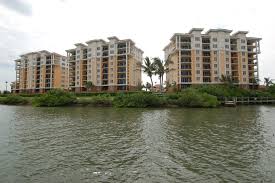
The City of Venice is preparing to consider an ordinance that would hard-wire Florida’s post-Surfside condo-safety regime into local code—formalizing timelines and compliance steps for structural “milestone” inspections and long-term reserve funding.
The proposed action follows state laws SB 4-D (2022) and its clarifying update SB 154 (2023), which require associations in buildings three stories or higher to assess structural integrity on a schedule and to budget for critical components over time.
For many condo owners, the conversation blends two imperatives: safety and affordability. Supporters say a local ordinance will bring consistency and transparency—giving owners, buyers, and lenders a clearer line of sight into a building’s true condition. Skeptics worry about timing and cost, particularly for smaller or older associations already wrestling with rising fees and insurance pressures.
Venice officials have signaled they want to thread the needle: keep structures safe without pushing communities past their financial limits.
While the city’s final language will control, the contours are shaped by state law:
- Milestone inspections: Triggered by building age and height, performed by licensed engineers/architects, with reports submitted to the local enforcement agency (overview).
- Structural Integrity Reserve Studies (SIRS): Associations must evaluate and fund reserves for critical elements (e.g., roofs, load-bearing walls, waterproofing) per SB 4-D/SB 154 (primer).
- Local oversight: City staff gain authority to receive reports and enforce compliance; owners gain public visibility into a building’s status (summary).
State law sets the floor; a Venice ordinance sets the playbook. Codifying processes locally can clarify deadlines, submission formats, and consequences for non-compliance, and it gives boards a clear point of contact at the Building & Code department for questions about scheduling, reports, or corrective work. Neighboring jurisdictions—like Tampa—have already adopted local procedures, offering a template for cities on Florida’s west coast.
- Ask your manager or counsel when your building’s next Milestone inspection is due and who will perform it.
- Review your latest SIRS and budget for critical components; understand any special assessments that may be needed.
- Confirm where and how your association will file inspection results with the city (contact [email protected] or call (941) 882-7547).
- Monitor the council agenda via the city website
The stakes for Venice
Venice has a mix of beachfront and near-coast buildings that are now decades old. A clear, locally enforced framework can reduce uncertainty in real-estate transactions, protect long-term owners by addressing deferred maintenance earlier, and—crucially—help prevent the kind of failures that prompted Florida’s reforms after Surfside. At the same time, policymakers are weighing tweaks in Tallahassee to balance safety with feasibility (recent legislative adjustments).
As the ordinance comes up for discussion, the practical question for owners isn’t just if Venice will act—it’s how the city implements what the state already requires. The answer will shape budgets, renovations, resale values, and peace of mind for years to come.
Further reading: SB 4-D bill text · SB 154 bill page · Venice Building & Code inspections · AP explainer on costs & compliance.
0 Comments
Join the conversation
Be the first to comment
Share your thoughts above.